Thifa: A Handwritten Font for Web Design
When I was redesigning a boutique online store, I needed a font that felt personal and elegant. Thifa, a monoline handwriting script from Script Amp, caught my eye. It’s not just a pretty font—it’s a tool that can elevate the visual identity of any digital project.
What Makes Thifa Stand Out
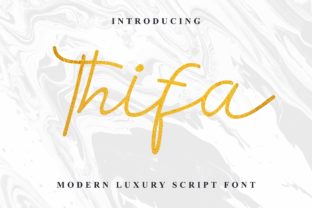
Thifa has a soft, flowing style that feels handcrafted yet modern. The strokes are consistent, which gives it a clean look even when used in larger sizes. Its simplicity makes it versatile, and its personality adds a touch of warmth to digital layouts.
I tested it on a hero section with a background image of a product shot. The font didn’t overpower the image, but it still commanded attention. It worked well as a headline, drawing the eye without being too busy.
Thifa in Real Web Projects
For a coaching website, I used Thifa in the main heading and subheadings. It gave the site a friendly, approachable tone that matched the brand’s message. The font paired nicely with a simple sans serif for body text, creating a balanced hierarchy.
On a product landing page, I used Thifa for the call-to-action button. The handwritten feel made the button feel more inviting, encouraging users to take action. It also worked well as a decorative accent in banners and social media graphics.
Readability and Usability Considerations
One of the first things I checked was how Thifa performed on mobile screens. At smaller sizes, the font remained legible, especially on light backgrounds. I avoided using it for long paragraphs, but it worked great for short phrases and headings.
On dark backgrounds, Thifa retained good contrast, but I found that increasing the line height helped improve readability. When placed over images, the font looked best when slightly transparent or with a subtle drop shadow to ensure it stood out.
Best Uses for Thifa
Thifa is ideal for display purposes rather than body text. It shines in headers, logos, and short phrases where its personality can shine. For example, on a creative portfolio site, I used it for the project titles, giving each section a unique, artistic flair.
In a course sales page, I used Thifa for the main headline and key benefits. It added a sense of authenticity and creativity, making the content feel more engaging. The font also worked well for promotional banners and campaign landing pages.
Font Pairing and Design Integration
Pairing Thifa with a clean, neutral sans serif like Roboto or Open Sans created a strong contrast that improved readability. This combination worked well for blog headers, where the script font added visual interest while the sans serif kept the text easy to scan.
For a more editorial look, I paired Thifa with a serif font like Georgia or Playfair Display. This gave the site a classic, sophisticated feel, perfect for a lifestyle or fashion brand.
Technical Details and Practical Tips
Before using Thifa on a live site, I checked the available styles and weights. The font came with multiple alternates, which allowed me to customize the look for different sections. It also supported multilingual characters, which was important for a global audience.
The webfont files were optimized for fast loading, which is crucial for user experience. I made sure to include only the necessary weights and characters to keep the file size small. Commercial licensing was clear, so I could use it for client projects without any issues.
Final Thoughts on Thifa
Thifa is a great addition to any designer’s toolkit. Its elegant, handwritten style brings a human touch to digital projects, making them feel more authentic and engaging. Whether you’re working on a boutique store, a coaching site, or a creative portfolio, Thifa can help you build a stronger visual identity.
As I continued to refine the design, I found that Thifa fit naturally into the layout, enhancing the overall aesthetic without distracting from the content. It’s a font that works well across different platforms and screen sizes, making it a reliable choice for modern web design.
From the initial testing phase to the final implementation, Thifa proved to be a valuable asset. It added character, clarity, and consistency to the site, helping to create a more polished and professional online presence.